

Inflammation: The Body’s Fire – Friend or Foe?
Inflammation is not the villain it’s often made out to be.
In fact, acute inflammation is the body’s intelligent first response—a short-lived protective fire that appears when there’s injury, infection, or tissue damage. Redness, warmth, swelling, mild pain—these are signs that healing is underway.
The trouble begins when this fire doesn’t switch off.
When Inflammation Lingers – Chronic inflammation develops when pro-inflammatory compounds remain elevated for long periods. Often silent, it slowly stresses tissues, disrupts metabolism, and becomes a common underlying thread in many long-term health conditions.
Unlike acute inflammation, this state doesn’t announce itself loudly—it simmers quietly.
Cooling the Flame: How Lifestyle Shapes Inflammation
Inflammation is not controlled by one food or one habit—it responds to patterns.
1. Food Choices That Calm vs. Fuel
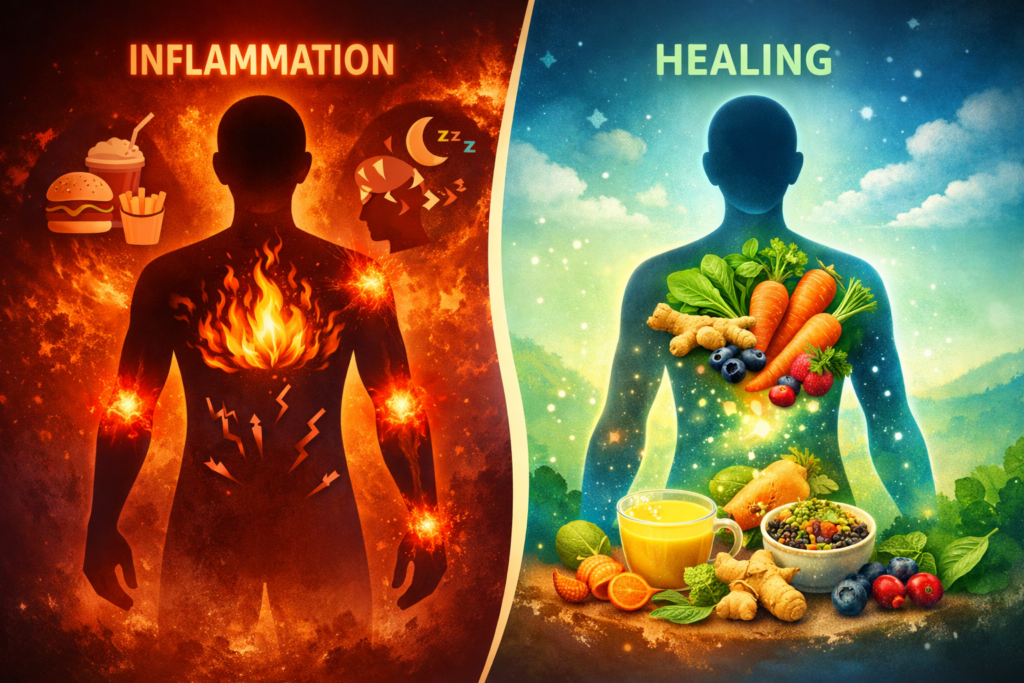
Highly refined foods such as excess sugar, refined grains, trans fats, ultra-processed snacks, sugary beverages – these tend to amplify inflammatory pathways. They overstimulate insulin, oxidative stress, and gut imbalance.
In contrast, whole foods rich in antioxidants, fibre, healthy fats, and phytonutrients help regulate inflammatory markers at a cellular level.
Think less elimination diet and more intentional nourishment.
2. Sleep: The Night Shift of Healing
During deep sleep, blood pressure drops, blood vessels relax, and inflammatory signals are naturally dampened. Poor or fragmented sleep disrupts this process, keeping stress hormones and inflammation switched on.
Consistent 7–8 hours of quality sleep quietly does more for inflammation than most supplements.
3. Movement as Medicine
Regular physical activity improves insulin sensitivity, balances cortisol, and boosts serotonin – supporting both metabolic and emotional regulation. This biochemical shift helps keep chronic inflammation in check, without overburdening the system.
4. Stress: The Invisible Trigger
Persistent psychological stress keeps inflammatory chemicals circulating. Practices like meditation, breathwork, or gentle yoga—even 15–30 minutes daily—act as neurological brakes, signalling safety to the body.
Anti-Inflammatory Foods & Smart Nutrient Pairings
- Turmeric + Black Pepper + Fat
Turmeric contains curcumin, a compound known to influence inflammatory enzymes and oxidative stress. However, curcumin is poorly absorbed on its own.
Pairing turmeric with black pepper (piperine) and a fat source (ghee, coconut oil, or nuts) significantly improves absorption.
Best used with:
- Turmeric sautéed in ghee with vegetables
- Golden milk with a pinch of black pepper
- Turmeric added to dal or khichdi with ghee
2. Ginger + Warm Foods
Ginger’s active compounds (gingerols and shogaols) support digestion while calming inflammatory responses. It also improves gastric motility, which indirectly reduces gut-driven inflammation.
Best used with:
- Warm soups, dals, porridges
- Ginger-infused herbal teas
- Ginger + lemon for digestive support
3. Green Vegetables + Healthy Fats
Cruciferous and leafy vegetables—broccoli, cabbage, cauliflower, mustard greens, moringa, bathua, fenugreek—are rich in flavonoids and sulphur compounds that support detoxification and immune balance.
These fat-soluble nutrients are better absorbed when paired with fats.
Best used with:
- Stir-fried greens in mustard oil or ghee
- Leafy vegetable sabzi with coconut or sesame seeds
- Steamed vegetables drizzled with olive oil
4. Fruits + Fibre + Polyphenols
Berries, apples, cherries, citrus fruits, avocado, and amla (gooseberry) provide polyphenols, vitamin C, potassium, and fibre—key regulators of immune and inflammatory balance.
Amla stands out for its exceptionally high antioxidant content and gut-supportive nature.
Best used with:
- Amla chutney with meals
- Berries with soaked nuts
- Citrus fruits between meals for better digestion
5. Nuts & Seeds: Omega-3 and Mineral Support
Almonds, walnuts, flaxseeds, pumpkin seeds, sesame seeds, sunflower seeds, and chia seeds provide omega-3 fatty acids, vitamin E, zinc, magnesium, and selenium—all essential for reducing inflammation and supporting immune repair.
Soaking improves mineral absorption and reduces anti-nutrients.
Best used with:
- Seed mix added to porridge or soups
- Soaked almonds + walnuts as a snack
- Sesame seeds in winter dishes for warmth and joint support
6. Dark Chocolate + Mood Regulation
High-cacao dark chocolate (≥80%) contains flavonoids that support vascular health and reduce oxidative stress. It also contains tryptophan, a precursor to serotonin—helping regulate stress-related inflammation.
Best used as mindful indulgence, not excess.
7. Beta-Carotene–Rich Vegetables + Healthy Fats
Beta-carotene, found abundantly in carrots, pumpkin, sweet potato, and dark leafy greens, is a precursor to vitamin A, essential for immune regulation, tissue repair, and inflammation control.
Because beta-carotene is fat-soluble, its absorption is significantly reduced when these vegetables are eaten without fat.
Pairing them with healthy fats such as ghee, coconut oil, or nuts improves bioavailability, allowing the body to convert beta-carotene more efficiently into active vitamin A. This combination supports skin health, gut lining integrity, and immune balance – key areas affected by chronic inflammation.
Best used with:
- Carrot or pumpkin sabzi cooked in ghee
- Steamed carrots finished with a drizzle of oil and seeds
- Carrot, beetroot, or leafy vegetable preparations tempered with healthy fats
8. Vitamin C–Rich Foods + Iron-Rich Plants
Vitamin C enhances the absorption of non-heme iron from plant foods. Adequate iron supports oxygen delivery to tissues, while vitamin C’s antioxidant action helps regulate inflammatory stress. Together, they reduce fatigue and support immune resilience.
Best used with:
- Spinach or methi cooked with lemon juice
- Dal or legumes paired with amla or citrus chutney
- Leafy vegetable meals followed by citrus fruit
9. Fermented Foods + Prebiotic Fibre
Fermented foods introduce beneficial microbes, while prebiotic fibres act as their fuel. Together, they help restore gut microbial balance, which plays a central role in regulating systemic inflammation and immune responses. A healthier gut barrier reduces the leakage of inflammatory compounds into circulation.
Best used with:
- Homemade curd or kefir with cooked vegetables
- Fermented batters (idli, dosa) paired with fibre-rich chutneys
- Lightly fermented foods alongside warm, whole meals rather than on an empty stomach
10. Millets + Protein + Fat
Millets are naturally rich in fibre and minerals and have a low glycaemic load. When combined with protein and healthy fats, they slow glucose absorption, stabilise insulin levels, and prevent inflammation driven by blood sugar spikes. This combination supports gut health and metabolic balance, especially during colder months.
Best used with:
- Millet khichdi with dal and ghee
- Bajra or Jowar roti with vegetable sabzi and curd
- Millet porridge topped with nuts or seeds
As winter traditions return – turmeric simmering in warm milk, sesame crackling in tadka, millets shaping festive rotis, ginger rising with the scent of morning tea – our plates begin to echo the wisdom of the season.

Conclusion
What we eat speaks directly to how the body feels, heals, and remembers. Choosing anti-inflammatory foods is choosing long-term protection in everyday portions—warm ginger in winter mornings, colourful carrots with a touch of fat, fruits paired with seeds, meals built on greens and whole grains. This is not trendy nutrition; it is intentional nourishment, rooted in science and season, designed to support resilience for years to come.