

Treatment Overview
Treatment depends on cancer stage, type, and overall health.
Treatment plans are personalized and may involve one or more approaches.
Many patients receive a combination of treatments.
Surgery
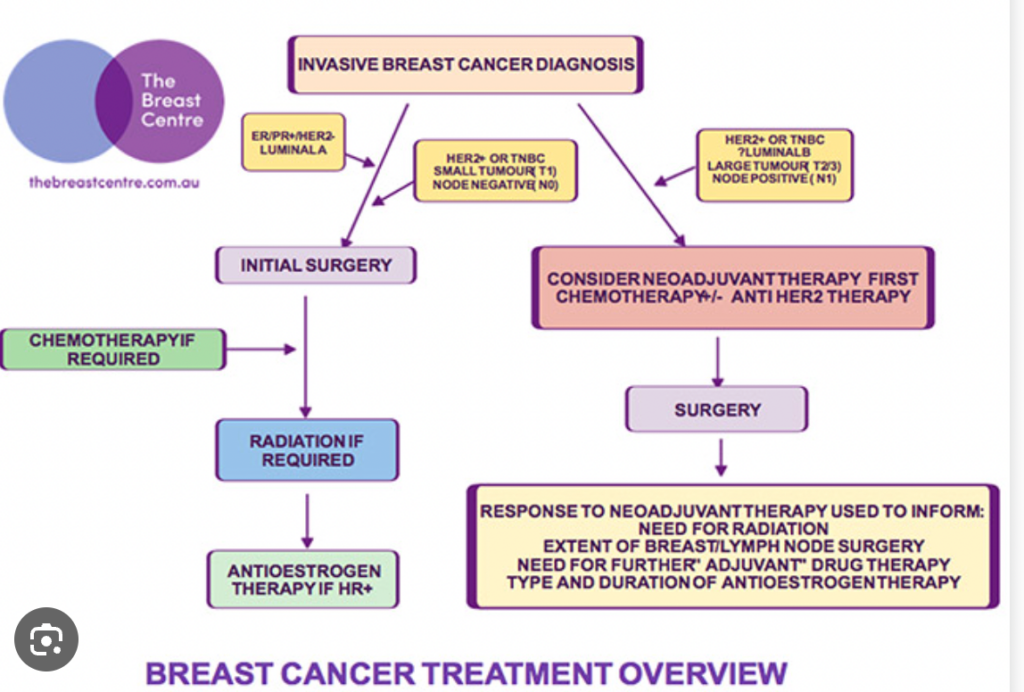
Surgery removes cancerous tissue and may also involve removal of nearby lymph nodes to check for spread and guide treatment.
Breast cancer :
Types include:
- Lumpectomy: Removes the tumor with a small margin of surrounding tissue.
- Mastectomy: Removes the entire breast, often for larger or multiple tumors.
- Lymph Node Removal (Lymphadenectomy): Removes nearby lymph nodes to assess spread.
Gentle movement and guided arm exercises after surgery can support recovery and maintain mobility. Breathing awareness and gradual activity may also aid overall healing and well-being.
Chemotherapy
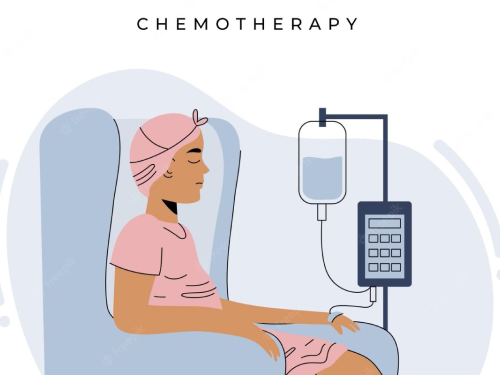
Chemotherapy is a cancer treatment that uses anti-cancer medicines to destroy cancer cells or slow their growth, either to cure the disease, control its spread, or reduce symptoms and support other treatments like surgery or radiation.It may be used alone or in combination with other treatments, depending on the cancer and its stage.
Radiation Therapy
Radiation therapy uses targeted radiation to destroy cancer cells.
It may be used alone or in combination with other treatments and is applied based on cancer type, location, and stage.
Hormone Therapy
Hormone therapy is used for hormone-sensitive cancers.
It works by blocking hormones or lowering their levels to slow or stop cancer growth.
In some cases, treatment may continue for several years, and attention to bone health, regular movement, and emotional well-being is important during therapy.
Targeted Therapy
Targeted therapy focuses on specific characteristics of cancer cells.
It may be used in selected cases, depending on the cancer type and individual factors.
Immunotherapy
Immunotherapy helps the body’s immune system recognize and fight cancer.
It may be used in selected cases, either alone or in combination with other treatments.
Stem Cell / Bone Marrow Transplant
Stem cell or bone marrow transplantation may be used in certain cancers, particularly blood-related cancers, depending on individual clinical factors.
Active Surveillance
In some cancers, especially slow-growing or low-risk types, active surveillance may be recommended.
This involves close monitoring rather than immediate treatment.
Palliative and Supportive Care
Supportive or palliative care may be part of cancer treatment at any stage.
It focuses on symptom relief, comfort, and quality of life alongside medical treatment.
Closing Note
Across all treatments, a supportive lifestyle, gentle movement, and breathing awareness may be encouraged as part of overall care, alongside medical treatment.